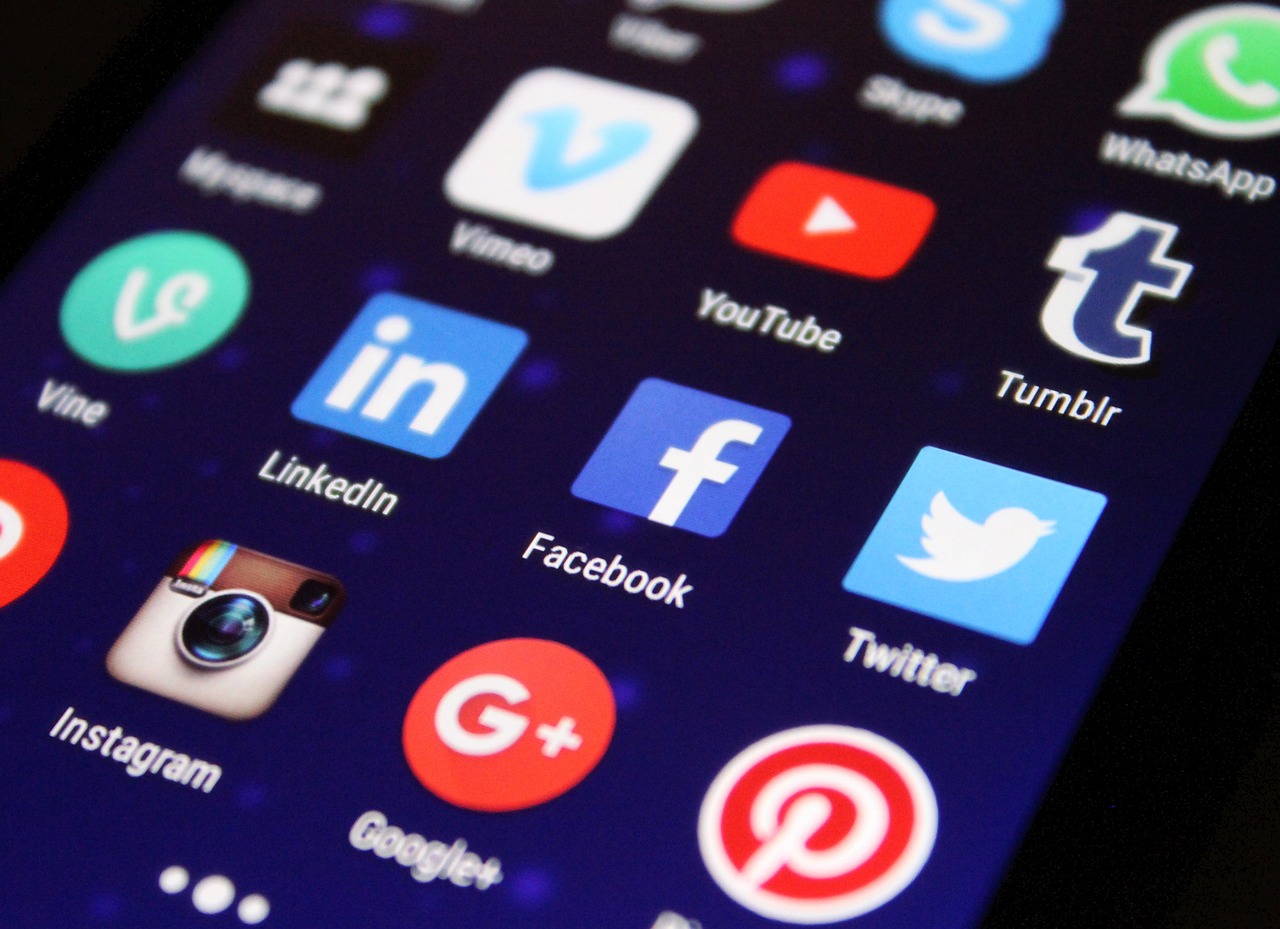
Social Commerce: Turning Likes into Sales
In today’s digital age, social media has evolved from a platform for connection into a powerful marketplace. This seamless fusion of social interaction and online shopping, known as social commerce, is redefining how businesses reach, engage, and convert their audiences. “Turning likes into sales” isn’t just a catchy phrase—it’s a data-driven strategy that leverages the trust, storytelling, and reach of social platforms to generate real, measurable revenue for brands.
What Is Social Commerce?
Social commerce refers to the buying and selling of products directly on social media platforms like Instagram, Facebook, TikTok, and Pinterest, where the entire shopping journey—from discovery to checkout—happens inside the app. Unlike traditional e-commerce, which redirects users to external websites, social commerce compresses the sales funnel, reducing friction and making purchases easier than ever.
The Social Shopping Revolution
Social commerce is a revolutionary shift in consumer behavior. Instead of discovering products online and then searching elsewhere to buy, users can now shop natively within their favorite apps. This seamless integration means brands can convert passive engagement—likes, shares, comments—into direct revenue by making every social touchpoint shoppable.
Why Social Commerce Works
-
Frictionless Shopping: Eliminates extra steps between liking a product and purchasing it, boosting conversion rates.
-
Social Proof: Visible engagement—likes, shares, comments—builds trust and triggers purchases.
-
Massive Audience: Over 5 billion social media users worldwide, making it the largest digital marketplace.
-
Personalization: Platforms harness user data to serve hyper-targeted products, driving higher sales and satisfaction.
Key Strategies to Turn Likes into Sales
1. Shoppable Content
Modern platforms enable businesses to tag products in posts, reels, lives, and stories, transforming traditional content into interactive storefronts. These “shoppable posts” allow users to discover, explore, and buy products with a single tap—no clunky, multi-step checkouts required.
2. Influencer Marketing for Social Commerce
Influencers bridge the gap between brand and consumer. Their authentic recommendations and lifestyle integration transform likes and comments into purchase intent. Collaborative campaigns often result in higher engagement and trust, shortening the path to purchase.
3. User-Generated Content (UGC)
UGC—real customers showcasing their experiences—serves as organic word-of-mouth advertising. Brands that regularly feature UGC build trust and extend reach without heavy promotional spend. Every customer photo or review posted is an endorsement visible to hundreds or thousands of potential buyers.
4. Live Shopping & Video Commerce
Live shopping events, where hosts demonstrate products, answer questions, and offer exclusive deals in real time, create urgency and excitement. Short-form videos, particularly on platforms like TikTok and Instagram, capture attention and drive conversions at scale.
5. Data-Driven Personalization for Social Commerce
Social commerce allows brands to leverage vast user data for hyper-targeted advertising and personalized recommendations. Algorithms analyze preferences and behavior, ensuring the right products reach the right audience at the right time—maximizing sales potential.
6. Seamless Customer Service
Social channels double as instant customer service hubs. Quick responses to queries build customer confidence, resolve objections, and can instantly turn interest into purchase. Prompt support improves post-purchase satisfaction and encourages repeat business.
7. Exclusive Promotions and Deals for Social Commerce
Offering exclusive discounts, flash sales, or early access for social followers creates a sense of urgency and rewards customer loyalty. These time-sensitive campaigns move customers from “like” to “buy” faster by tapping into the fear of missing out (FOMO).
8. Continuous Optimization
Success in social commerce is iterative. Brands should track engagement metrics, conversion rates, and customer feedback, then adjust content, promotions, and strategies accordingly. Testing different ad types, copy, visuals, and influencers helps identify what truly drives sales.
Social Commerce in Practice
Global brands and local businesses alike are leveraging these tactics:
-
Tagging Products in All Content: Every feed post and story on Instagram or Facebook is an opportunity to connect content with commerce. Incorporate clear calls to action like “shop now” or “tap to buy”.
-
Hosting Live Shopping Events: Engage audiences in real time, demonstrate products, and answer questions instantly—leading to record sales in short time frames.
-
Featuring UGC and Reviews: Share real customer photos and testimonials to build trust and encourage others to purchase.
-
Optimizing for Mobile: With most social engagement happening on mobile devices, ensuring your content, shop, and checkout are mobile-friendly is critical for maximizing sales.
The Impact of Social Commerce
-
Market Growth: The social commerce market is rapidly expanding. For example, in the UK, it’s expected to grow from £7.4billion in 2024 to £16billion by 2028. In the US, sales are projected to reach $80billion by 2025.
-
Consumer Behavior: As users become accustomed to one-click purchases via social feeds, brands not utilizing social commerce risk missing out on a massive, growing revenue stream.
Challenges & Considerations
-
Standing Out: With increased competition, businesses must invest in high-quality, engaging content and customer-centric strategies.
-
Trust & Security: Ensuring secure checkout and clear return policies is essential for converting social traffic into loyal customers.
-
Unified Experience: All touchpoints—from discovery to support—should reflect consistent branding and messaging.
Future Outlook
With advances in AI, AR (augmented reality), and deeper social platform integrations, the future of social commerce is increasingly immersive, personalized, and seamless. Early adopters who master the art of turning likes into sales will continue to set the pace in digital retail throughout this decade.
Connect with me by visiting my website lakshmip.com
Leave a Reply