Author: plakshmi1618@gmail.com

  • Introduction to Digital Marketing: What Every Beginner Should Know

    Introduction to Digital Marketing: What Every Beginner Should Know

    Introduction to Digital Marketing

    In the fast-paced, technology-driven world of today, digital marketing has become an essential tool for businesses aiming to reach and engage customers online. Unlike traditional marketing methods, digital marketing leverages the power of the internet and digital channels to connect with a global audience, measure results in real-time, and adapt quickly to changing consumer behaviors and trends. For beginners looking to understand this dynamic field, this guide offers a comprehensive introduction to digital marketing, its core components, and how to get started effectively.


    What is Digital Marketing?

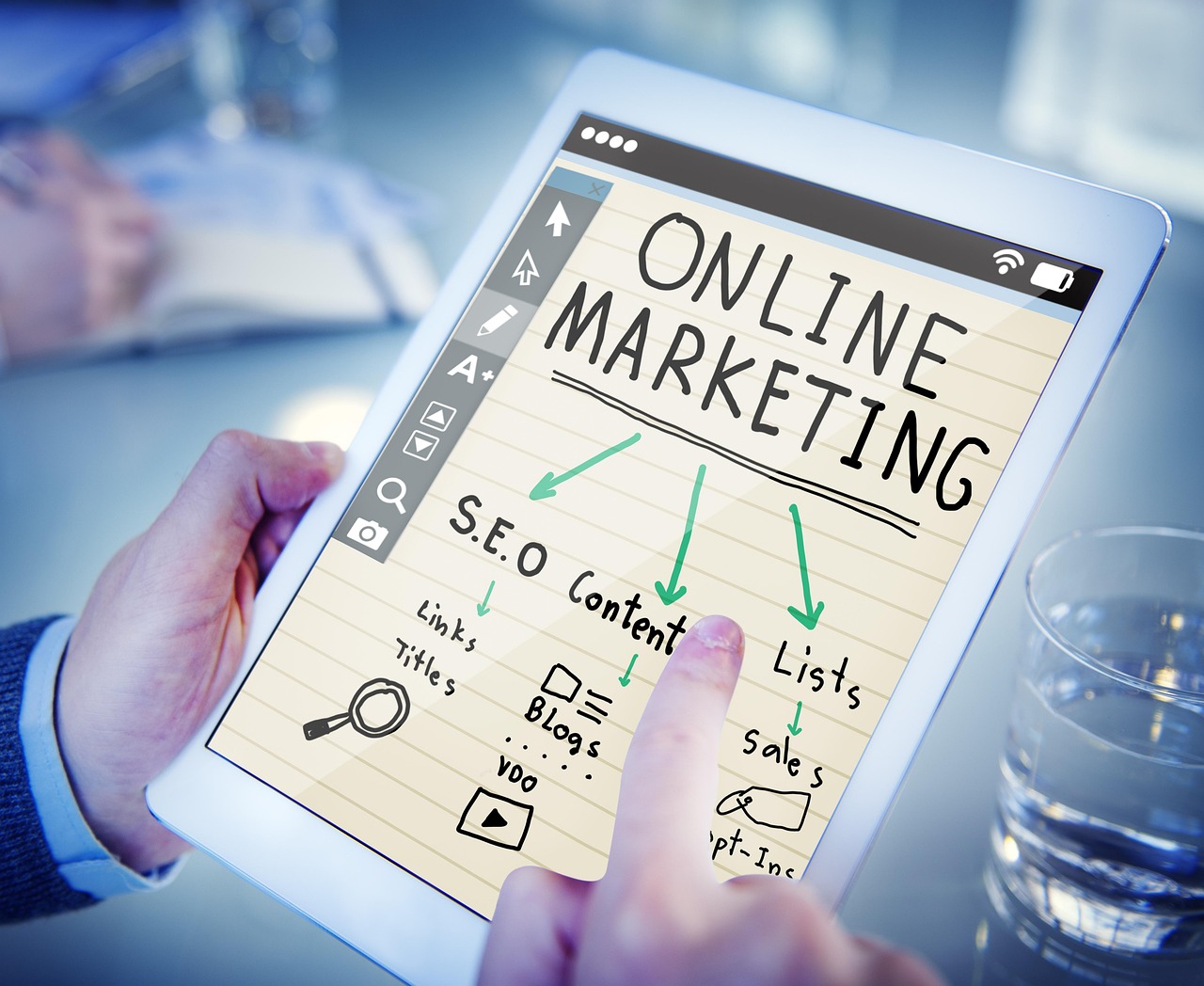
    Digital marketing, also known as online marketing, refers to all marketing activities conducted through digital channels such as search engines, social media platforms, websites, email, and mobile apps. It encompasses a broad range of strategies and tactics designed to promote products, services, or brands by targeting users where they spend much of their time—in the digital space.

    Key features that set digital marketing apart from traditional marketing include:

    • Real-time data tracking and analytics

    • Precision targeting based on demographics and behavior

    • Scalability and flexibility in campaigns

    • Interactive engagement with audiences

    • Cost-effectiveness and measurable ROI


    Why Digital Marketing Matters for Beginners

    The world’s increasing internet penetration and smartphone usage have transformed how consumers discover and interact with brands. For any business—whether a local startup or a multinational corporation—having a digital presence is crucial to stay competitive. Beginners entering the field quickly find that digital marketing is versatile and offers many avenues for creativity, strategy, and measurable growth.


    Core Components of Digital Marketing

    Digital marketing is an umbrella term that includes various disciplines. Beginners should familiarize themselves with these fundamental components:

    1. Search Engine Optimization (SEO)

    SEO involves optimizing your website and content to improve its visibility on search engines like Google. The goal is to rank higher in search results for relevant keywords, driving organic (unpaid) traffic to your site. SEO includes on-page optimization (keywords, meta tags, content quality), off-page efforts (backlinks), and technical SEO (site speed, mobile-friendliness).

    2. Pay-Per-Click Advertising (PPC)

    PPC is a paid advertising model where advertisers pay a fee each time someone clicks their ads. Google Ads, Facebook Ads, and Instagram Ads are popular PPC platforms. PPC campaigns allow precise targeting, immediate traffic, and control over budget and messaging.

    3. Content Marketing

    Content marketing focuses on creating and distributing valuable content—such as blog posts, videos, podcasts, and infographics—to attract and engage an audience. Useful and relevant content builds trust and encourages customer loyalty over time.

    4. Social Media Marketing (SMM)

    SMM uses social platforms like Facebook, Instagram, LinkedIn, and TikTok to promote brands and interact with customers. It involves posting content, running ads, engaging with followers, and building community.

    5. Email Marketing

    Email marketing remains a powerful channel for direct communication with your audience. Sending newsletters, promotional offers, or personalized messages helps nurture leads and retain customers.

    6. Affiliate and Influencer Marketing

    Affiliate marketing involves partnering with others who promote your products for a commission. Influencer marketing leverages popular social media personalities to reach niche audiences authentically.


    How Digital Marketing Works

    To run successful campaigns, beginners should understand the typical process:

    1. Define Your Audience: Identify your ideal customers, their needs, preferences, and online behavior.

    2. Set Clear Goals: Determine whether you want to boost brand awareness, generate leads, increase web traffic, or drive sales.

    3. Choose Channels: Select the digital platforms and tactics that match your goals and audience.

    4. Create Content: Develop engaging and tailored content that resonates with your target audience.

    5. Launch Campaigns: Execute your strategy with ads, social posts, email blasts, or SEO efforts.

    6. Measure Results: Use analytics tools like Google Analytics, social media insights, and email report metrics to assess effectiveness.

    7. Optimize and Iterate: Adjust your tactics based on data and feedback for improved performance.


    Practical Tips for Beginners

    • Start Small and Focused: Begin with one or two channels and master those before expanding.

    • Learn Continuously: It evolves rapidly; keep learning through courses, blogs, and webinars.

    • Be Data-Driven: Rely on metrics and analytics to understand what works and what doesn’t.

    • Create Quality Content: Provide real value to your audience through informative, entertaining, or helpful content.

    • Engage and Build Relationships: Respond to comments, messages, and foster a loyal community.

    • Plan and Schedule: Use content calendars and scheduling tools to stay consistent and organized.

    • Budget Wisely: Allocate funds strategically across paid and organic channels.


    The Future of Digital Marketing

    As technology advances, it continues to innovate with AI-driven personalization, automation, voice search, video content, and immersive experiences like augmented reality. For beginners, staying adaptable and open to new tools and trends will be key to long-term success.


    Conclusion

    Digital marketing is a multifaceted, dynamic discipline with immense opportunities for businesses and marketers. By understanding its core components, working systematically, and focusing on the customer, beginners can build a strong foundation and start seeing measurable results. Whether you aim to launch your own business’s digital efforts or pursue a career in marketing, mastering these fundamentals is the first step towards thriving in the digital age.


    This introduction offers a roadmap for beginners, demystifying digital marketing while providing actionable insights for getting started and succeeding. Visit my website – lakshmip.com

  • Understanding Content Marketing: Tips for Newbies

    Understanding Content Marketing: Tips for Newbies

    Understanding Content Marketing: Tips for Newbies

    Content marketing is a powerful and essential strategy for businesses looking to attract, engage, and retain customers in today’s digital world. For beginners, grasping what content marketing is and how to effectively implement it can seem daunting. This guide breaks down the basics, explaining why it matters and sharing tips to help you get started successfully.


    What Is Content Marketing?

    At its core, it is the strategic creation and distribution of valuable, relevant content designed to attract and engage a clearly defined audience. Rather than pushing sales messages, it pulls your audience in by offering information, entertainment, or solutions they find genuinely useful.

    Its goal: build trust and authority over time so that prospects naturally choose your products or services when they’re ready to buy. Common content types include blog posts, videos, infographics, social media posts, podcasts, ebooks, and newsletters.


    Why Content Marketing Matters

    Traditional advertising methods often interrupt or annoy audiences, causing them to tune out. Content marketing, on the other hand, focuses on providing ongoing value and establishing a long-term relationship with your audience. This builds credibility, increases brand awareness, and ultimately leads to better customer loyalty and conversions.

    Statistics show that companies investing in this particular field see:

    • Higher engagement rates

    • Lower customer acquisition costs

    • Improved search engine rankings

    • Stronger brand reputation


    How Content Marketing Works

    It works by meeting your audience’s needs at every stage of their buying journey:

    • Awareness: Create educational content that introduces your brand and addresses common problems or questions.

    • Consideration: Offer more in-depth information, case studies, or comparisons to help prospects evaluate options.

    • Decision: Provide testimonials, demos, or special offers to encourage purchase decisions.

    • Retention: Engage existing customers with helpful tips, updates, and exclusive content to foster loyalty.

    By tailoring content to these stages, you ensure your marketing efforts align with your audience’s current mindset and needs.


    Tips for Newbies to Get Started with Content Marketing

    1. Understand Your Audience in Content Marketing

    Start by deeply understanding who your audience is—their interests, challenges, and where they spend time online. Creating buyer personas helps you visualize and target your ideal customers effectively.

    2. Set Clear Goals in Content Marketing

    Define what you want to achieve through content marketing whether it’s brand awareness, lead generation, or customer retention. Having clear objectives helps you measure success and stay focused.

    3. Plan Your Content Strategy

    Decide what types of content you’ll create, how often you’ll publish, and which platforms you’ll use for distribution. Use a content calendar to organize and plan ahead.

    4. Focus on Quality Over Quantity

    Create content that genuinely solves problems or entertains. High-quality, well-researched, and well-written content outperforms a large quantity of mediocre posts.

    5. Be Consistent in Content Marketing

    Regular posting builds momentum, keeps your audience engaged, and signals to search engines that your site is active. Consistency is key to building loyalty.

    6. Optimize for SEO

    Use keyword research tools like Google Keyword Planner to understand what your audience is searching for and incorporate those terms naturally into your content. This increases your chances of ranking well in search results.

    7. Promote Your Content

    Creating great content is just one step. Promote it through social media, email marketing, guest blogging, and partnerships to maximize reach.

    8. Engage with Your Audience

    Encourage feedback and comments, respond to questions, and build a community around your brand. Engagement deepens connections and builds trust.

    9. Monitor and Measure

    Use analytics tools to track which content performs best, where your traffic is coming from, and how visitors behave on your site. Use these insights to refine your strategy.

    10. Stay Updated and Evolve

    Content marketing trends and algorithms change frequently. Stay curious, follow industry news, and be ready to adapt to maintain your content’s effectiveness.


    Examples of Successful Content Marketing

    Many brands have leveraged this idea to great effect. For example, Dove’s blog and campaigns focus on body positivity and self-esteem, building a deeper emotional connection beyond just selling soap. Their content educates and inspires, creating loyal brand advocates.

    Another example is the Squarespace blog, which offers valuable advice for entrepreneurs and small businesses while subtly promoting their website-building tools.


    Common Content Marketing Channels

    • Blogs: Great for educational articles, how-tos, and industry insights.

    • Videos: Engaging tutorials, product demos, and storytelling.

    • Social Media: Short-form content, community engagement, and sharing.

    • Email Newsletters: Personalized updates and exclusive content.

    • Podcasts: In-depth discussions and interviews.

    • Ebooks/Whitepapers: Comprehensive guides for lead generation.


    Avoid These Content Marketing Mistakes

    • Not knowing your audience or goals

    • Ignoring SEO best practices

    • Being inconsistent with publishing

    • Focusing too much on selling instead of providing value

    • Neglecting content promotion

    • Ignoring analytics and feedback


    Conclusion

    It is a journey that requires planning, creativity, and dedication. By focusing on delivering consistent value to your audience and building genuine relationships, you can create a powerful marketing engine that drives sustainable business growth. For newbies, starting with a clear understanding of this topic purpose and following best practices will set you on the path to success.


    This beginner’s guide  offers foundational knowledge and actionable tips to empower you in crafting effective content that resonates and converts. Visit my website for more information – lakshmip.com

  • Creating Your First Email Marketing Campaign

    Creating Your First Email Marketing Campaign

    Creating Your First Email Marketing Campaign: A Beginner’s Guide

    Email marketing remains one of the most powerful and cost-effective ways for businesses to connect with their audience, drive engagement, and boost sales. For beginners, launching a successful email marketing campaign may seem complex, but breaking it down into simple steps can make it manageable and even enjoyable.


    Step 1: Define Your Goals about Email Marketing

    Start with a clear goal for your email campaign. What do you want to achieve? Common objectives include:

    • Growing your subscriber list

    • Driving traffic to your website or blog

    • Promoting a product or service

    • Enhancing customer loyalty

    • Sharing educational content

    Having specific, measurable goals will help guide your strategy and define success metrics.


    Step 2: Choose the Right Email Marketing Software

    You’ll need an email marketing platform to manage your campaigns efficiently. These tools help:

    • Store and organize subscriber data

    • Segment your audience for targeted messaging

    • Design and send emails easily

    • Automate campaigns and follow-ups

    • Track performance metrics

    Popular platforms for beginners include Mailchimp, Constant Contact, and Sendinblue. Choose one that fits your budget and offers user-friendly features.


    Step 3: Build Your Email List

    A good email list is the backbone of successful campaigns. Here’s how to start growing yours:

    • Add signup forms to your website, blog, or landing pages

    • Offer incentives like ebooks, discounts, or exclusive content in exchange for email signups

    • Promote signups on social media channels

    • Use pop-ups or exit intent forms on your website to capture visitors before they leave

    • Encourage sharing by including “forward to a friend” options in emails

    Remember: always get explicit permission from recipients to comply with laws like GDPR.


    Step 4: Segment Your Audience in Email Marketing

    Segmentation means dividing your list into smaller groups based on demographics, interests, or behavior. Tailored messages perform better because they resonate with recipients on a personal level. For example, you could create segments for new subscribers, loyal customers, or those interested in a specific product.


    Step 5: Create Compelling Email Content

    Your email content should include these elements:

    • Subject Line: Craft a catchy, clear, and concise subject that entices recipients to open your email.

    • Preview Text: This snippet appears next to the subject and encourages further interest.

    • Body Content: Provide valuable information, offers, or updates. Use personalized text to engage readers.

    • Call to Action (CTA): Every email should encourage the reader to take a specific action—such as visiting your site, making a purchase, or downloading a resource.

    Use a clean, mobile-friendly design with images and formatting that enhance readability.


    Step 6: Test Your Emails

    Before sending to your full list, perform A/B testing with different subject lines, content, or CTAs. Testing helps you identify what resonates best with your audience and improve open and click rates over time.


    Step 7: Schedule and Send Your Campaign

    Choose the best time and frequency to reach your audience without overwhelming them. Many platforms include scheduling tools, allowing you to plan your campaign in advance based on when your audience is most active.


    Step 8: Monitor, Analyze, and Optimize

    After sending, track critical metrics such as:

    • Open rates

    • Click-through rates (CTR)

    • Bounce rates (undelivered emails)

    • Unsubscribe rates

    Use these insights to refine your content, segmentation, and scheduling. Continuous improvement is key to growing a successful email marketing strategy.


    Additional Tips for Beginners about Email Marketing

    • Always comply with email marketing laws and provide easy unsubscribe options.

    • Avoid spammy language and focus on building trust.

    • Keep your list clean by removing inactive subscribers regularly.

    • Provide consistent value to maintain engagement.

    • Use automation to nurture leads through drip campaigns or triggered emails.


    Email marketing campaigns offer a personal, direct connection to your audience. By following this step-by-step guide, beginners can confidently create their first campaign, drive meaningful interactions, and lay the foundation for long-term success.


    This comprehensive beginner’s approach to creating an email marketing campaign helps demystify the process and sets the stage for developing a profitable email strategy. For more information visit my website – lakshmip.com

  • The Basics of SEO: Improving Your Website’s Visibility

    The Basics of SEO: Improving Your Website’s Visibility

    The Basics of SEO: Improving Your Website’s Visibility

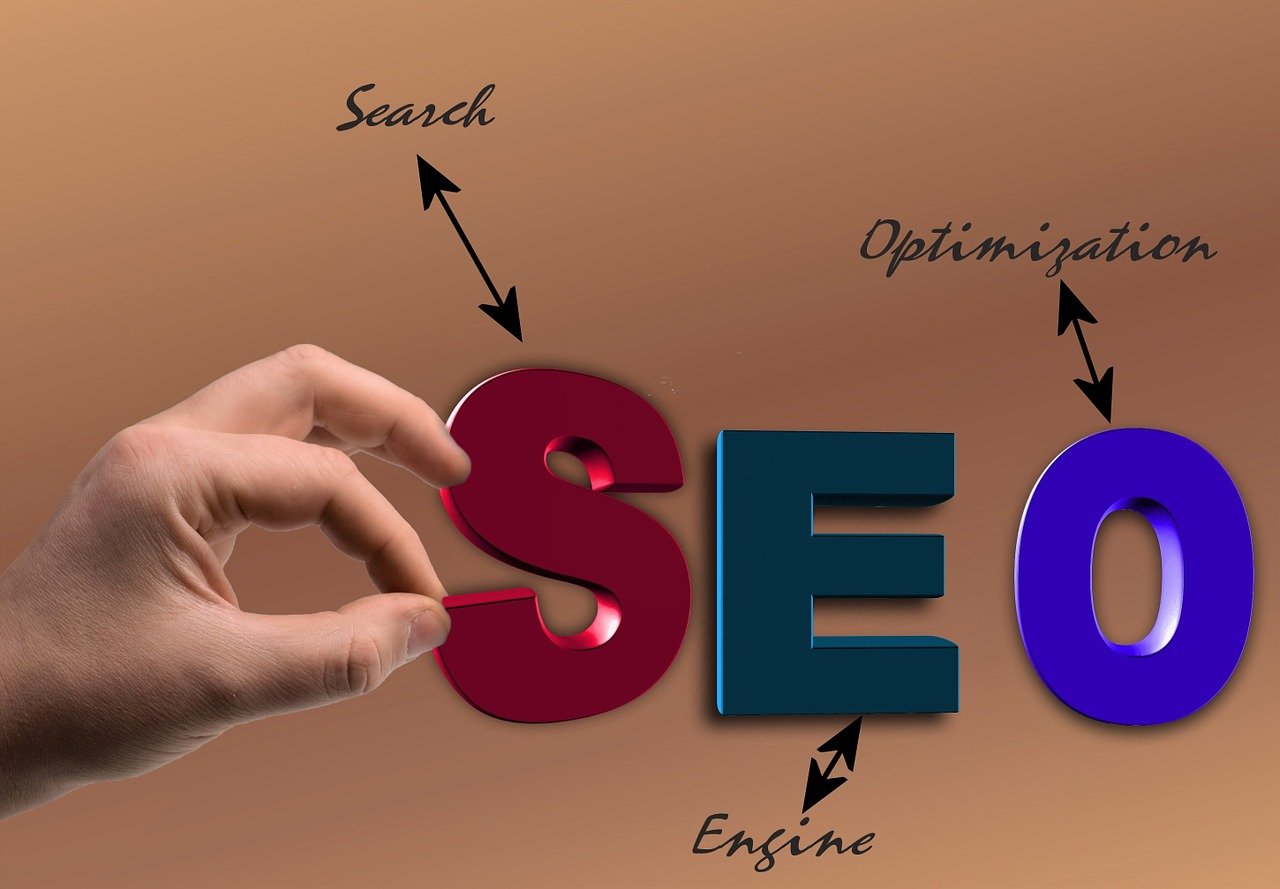
    Search Engine Optimization (SEO) is a crucial skill for anyone looking to build an online presence and attract organic traffic to their website. This beginner-friendly guide covers the fundamentals of SEO, explaining how you can optimize your website to improve its visibility in search engines like Google, Bing, and others.


    What is SEO?

    SEO stands for Search Engine Optimization. It involves techniques and strategies used to increase your website’s visibility when people search for products, services, or information related to your business on search engines. The higher your site ranks on search engine results pages (SERPs), the more likely you are to attract visitors organically (without paid ads).


    Why SEO is Important

    • Organic Traffic: Most web traffic comes from search engines, making SEO vital for attracting free, high-quality visits.

    • Credibility and Trust: High search rankings give your brand authority and trust in the eyes of users.

    • Better User Experience: SEO involves optimizing your site structure and content, resulting in a smoother user experience.

    • Cost-Effective: Unlike paid advertising, organic search traffic does not require ongoing ad spend.

    • Long-Term Results: Good SEO efforts compound over time, providing sustainable traffic growth.


    How Search Engines Work

    Search engines use automated programs called crawlers or spiders to find, scan, and index pages on the web. The search engine then uses complex algorithms to rank these pages based on relevance and quality in response to a user’s query. SEO helps your website align with these algorithms to appear higher on search results.


    Core Elements of SEO

    1. Keyword Research

    Keyword research is about discovering what terms and phrases your potential audience is typing into search engines. Choosing the right keywords ensures your content matches what users are looking for.

    • Use keyword tools like Google’s Keyword Planner, Ahrefs, or SEMrush.

    • Find keywords with a good balance of search volume and competition.

    • Understand search intent: whether users want information, want to buy, or are just browsing.


    2. On-Page SEO

    On-page SEO refers to optimizing elements on your website pages to make them search engine friendly:

    • Optimize title tags (the clickable headlines on search results) to include primary keywords.

    • Write compelling meta descriptions that summarize your page content and encourage clicks.

    • Use headers (H1, H2, H3) to organize content and include keywords where relevant.

    • Ensure content is valuable and relevant to the user’s query, answering their questions thoroughly.

    • Add internal links to other pages on your site to help users and search engines navigate.

    • Optimize images with descriptive filenames and alt text.


    3. Technical SEO

    The above title ensures search engines can easily crawl and understand your website:

    • Use a sitemap and robots.txt file to guide search engine crawlers.

    • Make your website mobile-friendly, as most users now browse via smartphones.

    • Improve your site’s loading speed—slow sites lead to worse rankings.

    • Use SSL encryption (https) to provide a secure browsing experience.

    • Avoid duplicate content and broken links.

    • Implement structured data markup to enhance your listings with rich snippets in search results.


    4. Content Creation

    High-quality, useful content is essential for SEO success.

    • Write content that addresses your audience’s needs.

    • Use a mix of formats: blog posts, videos, infographics, product pages.

    • Update content regularly to keep it fresh.

    • Make content easy to read—use short paragraphs, bullets, and visuals.


    5. Off-Page SEO and Link Building

    This topic revolves around building your website’s authority by earning backlinks (links from other sites).

    • Backlinks signal to search engines that your site is trustworthy and relevant.

    • Focus on getting high-quality backlinks from reputable, relevant websites.

    • Encourage brand mentions, reviews, and social shares to boost visibility.

    • Avoid “black hat” techniques like buying links, which can penalize your site.


    Measuring SEO Success

    Track your SEO progress using tools like Google Analytics and Google Search Console:

    • Monitor organic traffic growth.

    • Track keyword rankings over time.

    • Analyze bounce rates and user behavior on your site.

    • Identify which pages perform best and optimize underperforming ones.


    SEO Best Practices for Beginners

    • Focus on your users, not just search engines.

    • Avoid keyword stuffing (excessive use of keywords).

    • Optimize for local SEO if you serve a specific geographic area.

    • Use engaging titles and thumbnails to improve click-through rates.

    • Be patient—SEO results take time but are worth the persistence.


    Summary

    SEO involves a variety of strategies and tactics aimed at improving your website’s visibility and user experience to rank better in search engines. By researching keywords, creating relevant content, ensuring your site is technically sound, and building authority through links, you can steadily improve your website’s traffic and online presence. For those new to this subject , focusing on foundational elements like keyword research, on-page optimization, and content quality is the best way to get started and see long-term success.


    This foundational understanding will put you on the path to mastering SEO and improving your website’s visibility to attract a wider, more engaged audience naturally. Visit my website – lakshmip.com

  • How to Get Started with Social Media Marketing

    How to Get Started with Social Media Marketing

    How to Get Started with Social Media Marketing

    Social media marketing has become one of the most accessible, affordable, and effective ways to grow a brand, engage with customers, and drive business results. For beginners, navigating the world of social media can seem overwhelming—but with the right approach and understanding, it offers enormous potential.


    1. Define Your Goals

    Before jumping into social media, start by defining what you want to achieve. Common objectives include:

    • Increasing brand awareness

    • Generating leads or sales

    • Driving website traffic

    • Growing a community

    • Providing customer service

    Setting clear, measurable goals will guide your content strategy and help you evaluate your progress over time.


    2. Know Your Audience in Social Media Marketing

    Success in social media marketing comes from having a deep understanding of your target audience. Consider:

    • Demographics (age, location, gender)

    • Interests and behaviors

    • Problems they need solved

    The better you know your audience, the more relevant and engaging your content will be.


    3. Choose the Right Platforms

    Not every business needs to be on every platform. Focus your initial efforts on the channels where your target audience spends the most time:

    • Instagram and Facebook for lifestyle, retail, or B2C brands

    • LinkedIn for B2B and professional content

    • YouTube for in-depth demos, tutorials, or vlogs

    • TikTok for younger audiences and viral short-form content

    Begin with 1-2 platforms. Master those before expanding.


    4. Optimize Your Social Media Profiles

    Your profile is often your audience’s first impression of your brand. Make sure to:

    • Use a high-quality profile picture and cover image

    • Write an engaging, keyword-rich bio with a clear call to action

    • Include website or landing page links

    • Keep branding consistent across all platforms


    5. Create Valuable Content in Social Media Marketing

    Content is the foundation of social media marketing. Aim to share posts that:

    • Educate, entertain, or inspire

    • Feature eye-catching visuals (images, videos, infographics)

    • Solve your audience’s problems or answer their questions

    Use a mix of content types—stories, reels, carousels, testimonials, and behind-the-scenes looks—to keep your feed interesting and engaging.


    6. Post Consistently

    Develop a content calendar to plan your posts ahead and maintain a regular posting schedule. Consistency equals increased visibility and helps build trust with your audience. Tools like Buffer, Hootsuite, or native platform schedulers make this process easy.


    7. Engage with Your Audience in Social Media Marketing

    Social media is a conversation, not a monologue. Reply to comments, answer messages, acknowledge feedback, and encourage community discussions. Engagement strengthens relationships, improves your algorithm ranking, and boosts loyalty.


    8. Analyze and Improve

    Regularly review your performance using each platform’s analytics tools. Track metrics such as:

    • Follower growth

    • Engagement rate (likes, comments, shares)

    • Website clicks

    • Conversion rates

    Use these insights to refine your strategy, test new ideas, and focus on what’s working best for your audience.


    9. Use Relevant Keywords and Hashtags

    Strategically use keywords and hashtags to make your content discoverable to a wider audience. Research trending or niche hashtags for your industry and include them in your posts when relevant, but avoid overusing or misusing them for better results.


    10. Never Stop Learning

    The social media landscape is constantly evolving. Stay updated on new features, content trends, and algorithm changes by following industry blogs, taking online courses, and experimenting with different approaches. The best marketers are always learning and adapting. Learn more about social media marketing by taking up the courses in HubSpot .


    Getting Started: Practical Steps

    1. Define one or two attainable goals for your first three months.

    2. Choose up to two platforms based on where your audience is most active.

    3. Set up and optimize your brand profiles with consistent visuals and messaging.

    4. Plan out your first month’s content using a basic calendar.

    5. Post regularly—at least 2-3 times a week to start.

    6. Respond to every comment or message you receive.

    7. Review your platform analytics monthly to spot trends and improve.


    Key Tips for Beginners

    • Start small. Focus on doing a few things well rather than stretching your efforts thin.

    • Be patient. Building a meaningful following and seeing business results takes time.

    • Don’t focus solely on self-promotion. Aim for an 80/20 rule—give value 80% of the time, promote directly 20% of the time.

    • Stay authentic. People relate to brands that feel genuine and personable, not overly polished and corporate.

    • Learn from others. Watch what successful brands and competitors are doing, and borrow the best ideas to fit your brand’s personality.

    • Visit my website for more tips – lakshmip.com
  • Social Commerce: Turning Likes into Sales

    Social Commerce: Turning Likes into Sales

    Social Commerce: Turning Likes into Sales

    In today’s digital age, social media has evolved from a platform for connection into a powerful marketplace. This seamless fusion of social interaction and online shopping, known as social commerce, is redefining how businesses reach, engage, and convert their audiences. “Turning likes into sales” isn’t just a catchy phrase—it’s a data-driven strategy that leverages the trust, storytelling, and reach of social platforms to generate real, measurable revenue for brands.

    What Is Social Commerce?

    Social commerce refers to the buying and selling of products directly on social media platforms like Instagram, Facebook, TikTok, and Pinterest, where the entire shopping journey—from discovery to checkout—happens inside the app. Unlike traditional e-commerce, which redirects users to external websites, social commerce compresses the sales funnel, reducing friction and making purchases easier than ever.

    The Social Shopping Revolution

    Social commerce is a revolutionary shift in consumer behavior. Instead of discovering products online and then searching elsewhere to buy, users can now shop natively within their favorite apps. This seamless integration means brands can convert passive engagement—likes, shares, comments—into direct revenue by making every social touchpoint shoppable.

    Why Social Commerce Works

    • Frictionless Shopping: Eliminates extra steps between liking a product and purchasing it, boosting conversion rates.

    • Social Proof: Visible engagement—likes, shares, comments—builds trust and triggers purchases.

    • Massive Audience: Over 5 billion social media users worldwide, making it the largest digital marketplace.

    • Personalization: Platforms harness user data to serve hyper-targeted products, driving higher sales and satisfaction.

    Key Strategies to Turn Likes into Sales

    1. Shoppable Content

    Modern platforms enable businesses to tag products in posts, reels, lives, and stories, transforming traditional content into interactive storefronts. These “shoppable posts” allow users to discover, explore, and buy products with a single tap—no clunky, multi-step checkouts required.

    2. Influencer Marketing for Social Commerce

    Influencers bridge the gap between brand and consumer. Their authentic recommendations and lifestyle integration transform likes and comments into purchase intent. Collaborative campaigns often result in higher engagement and trust, shortening the path to purchase.

    3. User-Generated Content (UGC)

    UGC—real customers showcasing their experiences—serves as organic word-of-mouth advertising. Brands that regularly feature UGC build trust and extend reach without heavy promotional spend. Every customer photo or review posted is an endorsement visible to hundreds or thousands of potential buyers.

    4. Live Shopping & Video Commerce

    Live shopping events, where hosts demonstrate products, answer questions, and offer exclusive deals in real time, create urgency and excitement. Short-form videos, particularly on platforms like TikTok and Instagram, capture attention and drive conversions at scale.

    5. Data-Driven Personalization for Social Commerce

    Social commerce allows brands to leverage vast user data for hyper-targeted advertising and personalized recommendations. Algorithms analyze preferences and behavior, ensuring the right products reach the right audience at the right time—maximizing sales potential.

    6. Seamless Customer Service

    Social channels double as instant customer service hubs. Quick responses to queries build customer confidence, resolve objections, and can instantly turn interest into purchase. Prompt support improves post-purchase satisfaction and encourages repeat business.

    7. Exclusive Promotions and Deals for Social Commerce

    Offering exclusive discounts, flash sales, or early access for social followers creates a sense of urgency and rewards customer loyalty. These time-sensitive campaigns move customers from “like” to “buy” faster by tapping into the fear of missing out (FOMO).

    8. Continuous Optimization

    Success in social commerce is iterative. Brands should track engagement metrics, conversion rates, and customer feedback, then adjust content, promotions, and strategies accordingly. Testing different ad types, copy, visuals, and influencers helps identify what truly drives sales.

    Social Commerce in Practice

    Global brands and local businesses alike are leveraging these tactics:

    • Tagging Products in All Content: Every feed post and story on Instagram or Facebook is an opportunity to connect content with commerce. Incorporate clear calls to action like “shop now” or “tap to buy”.

    • Hosting Live Shopping Events: Engage audiences in real time, demonstrate products, and answer questions instantly—leading to record sales in short time frames.

    • Featuring UGC and Reviews: Share real customer photos and testimonials to build trust and encourage others to purchase.

    • Optimizing for Mobile: With most social engagement happening on mobile devices, ensuring your content, shop, and checkout are mobile-friendly is critical for maximizing sales.

    The Impact of Social Commerce

    • Market Growth: The social commerce market is rapidly expanding. For example, in the UK, it’s expected to grow from £7.4billion in 2024 to £16billion by 2028. In the US, sales are projected to reach $80billion by 2025.

    • Consumer Behavior: As users become accustomed to one-click purchases via social feeds, brands not utilizing social commerce risk missing out on a massive, growing revenue stream.

    Challenges & Considerations

    • Standing Out: With increased competition, businesses must invest in high-quality, engaging content and customer-centric strategies.

    • Trust & Security: Ensuring secure checkout and clear return policies is essential for converting social traffic into loyal customers.

    • Unified Experience: All touchpoints—from discovery to support—should reflect consistent branding and messaging.

    Future Outlook

    With advances in AI, AR (augmented reality), and deeper social platform integrations, the future of social commerce is increasingly immersive, personalized, and seamless. Early adopters who master the art of turning likes into sales will continue to set the pace in digital retail throughout this decade.

    Connect with me by visiting my website lakshmip.com

  • Building a Winning Digital Marketing Strategy: Step-By-Step Guide

    Building a Winning Digital Marketing Strategy: Step-By-Step Guide

    Building a Winning Digital Marketing Strategy: Step-By-Step Guide

    Digital marketing is at the heart of modern business growth. To building a winning digital marketing strategy in today’s digital-first world, having a smart and structured online marketing plan is crucial to stand out, connect with the right audience, and achieve lasting success. This guide breaks down every stage — from setting actionable goals to continuously optimizing your approach — so you can build a winning digital marketing strategy with clear, confident steps.


    Why Is a Structured Marketing Plan Crucial?

    A digital marketing strategy serves as your roadmap. Without a plan, marketing efforts become scattered and less effective. A structured plan for building a winning digital marketing strategy ensures:

    • Every task serves a specific business goal.

    • Resources and budget are optimized.

    • Progress can be measured and improved.

    • Your brand delivers a consistent message across all platforms.


    Step 1: Setting SMART Goals and Objectives

    Start with crystal-clear goals using the SMART framework:

    • Specific: What exactly do you want to achieve?

    • Measurable: How will you track progress?

    • Attainable: Is your goal realistic?

    • Relevant: Does it align with your overall business strategy?

    • Timely: What’s the deadline?

    Example:
    Instead of “Get more website traffic,” set “Increase organic website visitors by 20% in 6 months through SEO improvements and blog content.”

    Tips:

    • Connect goals to business outcomes (leads, sales, engagement).

    • Set both short-term and long-term objectives.


    Step 2: Understanding Your Audience & Building Buyer Personas

    Effective marketing starts with knowing who you want to reach.

    • Research your target audience’s demographics, needs, pain points, and behavior.

    • Build detailed buyer personas: fictional profiles representing different customer types.

    Example Scenario:
    If you run an online fitness store, your personas could include “Health-Conscious Millennials” and “Busy Working Parents,” each with their distinct motivators and online habits.

    Tips:

    • Use surveys, interviews, and existing customer data for insights.

    • Update personas as you grow and learn more.


    Step 3: Auditing & Evaluating Your Current Digital Presence

    Before planning new campaigns, review where you stand:

    • Analyze your website, social media, email marketing, and other digital assets.

    • Identify what’s working (high-performing blog posts, successful ads) and what’s lagging.

    • Check your standing against competitors.

    Tips:

    • Use tools like Google Analytics for insights.

    • Note gaps in your current approach (e.g., missing social media presence).


    Step 4: Identifying the Most Effective Marketing Channels

    Not every channel will be right for your brand or audience.

    Common digital marketing channels include:

    • SEO (Search Engine Optimization): Attracts organic traffic.

    • Social Media Marketing: Builds communities and amplifies your brand voice.

    • Email Marketing: Nurtures leads and builds loyalty.

    • Content Marketing: Educates and engages through articles, videos, and more.

    • Paid Advertising: Drives targeted visitors with PPC, display ads, or sponsored social posts.

    Tips:

    • Prioritize channels where your audience spends the most time.

    • Test and refine your mix regularly.


    Step 5: Planning & Creating Compelling Content

    Your content is the value you provide; it should educate, inspire, or solve a problem.

    • Develop a content calendar with topics, channels, and publishing dates.

    • Use various formats: blogs, infographics, videos, case studies, ebooks, and emails.

    • Align content themes with your audience’s interests and each stage of their buying journey.

    Tips:

    • Repurpose content for multiple channels to maximize reach.

    • Encourage user-generated content (like reviews and testimonials) for authenticity.


    Step 6: Allocating a Marketing Budget Efficiently for building a winning digital marketing strategy

    A well-planned budget ensures the best return on your investment.

    • List all required expenses (content creation, advertising, software, etc.).

    • Allocate based on previous performance and expected impact.

    • Set aside funds for testing new ideas.

    Tips:

    • Prioritize channels with proven ROI but don’t shy away from experimenting.

    • Monitor spending closely and adjust based on campaign results.


    Step 7: Launching Campaigns & Executing Strategies

    With your plan in place, bring your ideas to life:

    • Schedule content, launch ads, and start email sequences.

    • Coordinate timing for maximum impact (product launches, seasonal trends, etc.).

    • Ensure every campaign has clear messaging and call-to-action.

    Example Scenario:
    A new product launch might include:

    • Pre-launch teasers on social media

    • In-depth blog post highlighting benefits

    • PPC ads targeting relevant keywords

    • Email drip campaign to subscribers


    Step 8: Measuring Performance with KPIs & Analytics for building a winning digital marketing strategy

    “You can’t improve what you don’t measure.”

    • Define Key Performance Indicators (KPIs) for every campaign. Examples: website traffic, lead conversions, social shares, email open rates, and sales.

    • Use analytics platforms (like Google Analytics or social insights) to track performance.

    Tips:

    • Schedule regular reviews to assess progress.

    • Learn from both successes and failures.


    Step 9: Optimizing & Refining Your Strategy

    Digital marketing is never “set-and-forget.”

    • Find what’s working and do more of it.

    • Adjust or pause underperforming campaigns.

    • Test new tactics, messaging, and channels regularly.

    Tips:

    • Stay updated with industry trends and platform changes.

    • Encourage team feedback and brainstorm regularly.


    Common Pitfalls to Avoid for building a winning digital marketing strategy

    • Setting vague or unrealistic goals

    • Neglecting ongoing measurement and analysis

    • Ignoring audience feedback or preferences

    • Spreading budget too thin across too many channels

    • Failing to update strategy as trends and business grow


    Ready to Build Your Winning Digital Marketing Strategy?

    Now that you know the steps, it’s time to put theory into action. Define your goals, get to know your audience, audit where you stand, and start crafting campaigns that deliver measurable results. Remember: continual learning and optimization are key to staying ahead in the ever-evolving digital landscape.

    Start building your winning digital marketing strategy today—and turn your vision into online success! 

    Visit my website : lakshmip.com

  • Personalization at Scale: How Brands Win Loyalty

    Personalization at Scale: How Brands Win Loyalty

    Introduction

    In the highly competitive market landscape of 2025, personalization at scale has emerged as a vital strategy for brands aiming to win and sustain customer loyalty. Gone are the days when generic marketing messages could engage broad audiences effectively. Today’s consumers expect tailored experiences that speak directly to their unique preferences and behaviors. For brands, delivering these individualized interactions across millions of customers simultaneously is not just a luxury but a necessity for building lasting relationships that drive business growth.

    The Growing Importance of Personalization in 2025

    As consumers become more discerning and empowered by technology, their expectations for brand interactions have risen significantly. According to recent data, 71% of consumers expect personalized experiences, and 76% express frustration when brands fail to meet this expectation. This demand for relevance is reshaping how businesses engage customers. Personalization at scale means offering custom content, recommendations, and offers to individuals—not just segments—while managing vast and diverse audiences efficiently.

    Advances in artificial intelligence (AI), machine learning, and automation technologies have unlocked the ability to analyze huge datasets in real time and predict customer needs with remarkable accuracy. These innovations allow brands to move beyond static segmentation and toward dynamic, adaptive personalization that adjusts on the fly to user behavior. From email marketing and mobile apps to websites and loyalty programs, brands can now deliver seamless experiences that feel uniquely tailored to each customer’s journey.

    Personalization at Scale: Key Drivers Behind Personalization’s Rise

    Several drivers explain the explosive growth of personalization at scale. First, evolving consumer expectations for relevant and contextual communication mean that personalized messages garner significantly higher engagement and satisfaction. Research shows that 75% of consumers are more likely to remain loyal to brands that “understand them” by delivering personalized content and offers.

    Second, the abundance of zero-party and first-party data—information willingly shared by customers—combined with advanced analytics enables brands to build detailed profiles and anticipate needs more effectively. Respecting privacy while leveraging this data to create value-based personalization strengthens trust and fosters loyalty.

    Third, AI and automation allow brands to maintain personalized experiences without overwhelming manual effort. AI-powered recommendations, chatbots, and dynamic content creation vastly improve efficiency and scale, making it possible to engage millions with relevant messaging at the right time and channel.

    How Personalization Influences Loyalty

    Personalization plays a critical role in turning one-time buyers into loyal advocates. Personalized loyalty programs in particular have shown to increase retention rates by up to 200%. This is because customers feel recognized, valued, and rewarded in ways that align with their preferences.

    Moreover, emotionally connected customers deliver up to three times more advocacy and have a 306% higher lifetime value compared to those with low emotional engagement. By delivering relevant experiences, brands cultivate deeper trust and emotional bonds, transforming transactional interactions into meaningful relationships.

    Core Strategies for Personalization at Scale

    To implement effective personalization at scale, brands employ several core strategies. Intelligent audience segmentation based on a combination of demographic, behavioral, and psychographic data creates precise targeting groups. Dynamic content adapts messaging and creative assets in real time depending on individual preferences and contexts.

    AI-driven recommendation engines analyze purchase history and browsing behavior to offer personalized product suggestions across channels, increasing upselling and cross-selling opportunities. High-value customers receive tailored incentives, exclusive offers, and early access to strengthen loyalty.

    Continuous data analytics monitoring allows brands to refine personalization efforts, measuring key metrics such as customer lifetime value (CLV) and net promoter score (NPS) to enhance performance. This iterative approach ensures personalization remains relevant as customer needs evolve.

    Personalization at Scale: Real-World Examples Across Industries

    Numerous industries illustrate the power of personalization at scale. Retailers like beauty brand Sephora utilize AI to curate personalized product recommendations and sampling programs through their loyalty app. Tech companies offer software upgrades and services uniquely tailored to customer usage patterns.

    Travel brands deliver customized offers and itineraries based on past trips and preferences, while mobile-first loyalty programs increasingly incorporate gamification and rewards that reflect individual behavior and values. These integrated, multi-channel approaches make personalization seamless and convenient, driving higher customer satisfaction and repeat business.

    Personalization at Scale: Emerging Trends Shaping the Future

    Looking ahead, several trends will continue to transform personalization in 2025 and beyond. AI-powered customer insights will become even more sophisticated, enabling hyper-personalization that anticipates needs before customers express them. Real-time personalization across all digital touchpoints ensures consistently relevant messaging regardless of platform.

    Ethical data use and transparency will be critical as privacy concerns grow. Brands embracing zero-party data and clear value exchanges will earn customer trust, fueling richer personalization without compromise. Additionally, hyper-personalized marketing automation will allow brands to scale meaningful, individualized interactions while optimizing operational efficiency.

    Conclusion: Winning Loyalty Through Personalization at Scale

    In conclusion, personalization at scale is no longer a marketing option but a strategic imperative for brands seeking to build loyalty in 2025. The brands that succeed create relevant, seamless, and meaningful experiences that foster trust, deepen emotional connections, and drive sustained growth.

    By leveraging data, AI technologies, and thoughtful strategies, brands can deliver personalized experiences to millions without losing the human touch as in Amazon. Personalization transforms customers from passive recipients into active advocates who value the relationships a brand builds over time.

    Marketers looking to boost loyalty must master personalization at scale—combining technology, creativity, and empathy to meet modern consumers’ fast-evolving expectations and ultimately win enduring brand loyalty. For more insights on this particular blog , feel free to contact us .

  • The Rise of Short-Form Video: Capturing Audiences Fast

    The Rise of Short-Form Video: Capturing Audiences Fast

    Introduction

    In the digital world of 2025, short-form video content has emerged as a commanding force reshaping how people consume media and how brands engage their audiences. Platforms like TikTok, Instagram Reels, and YouTube (Visit my channel for an instance) Shorts have revolutionized digital interaction by making bite-sized videos the heartbeat of social media. These fast-paced, visually engaging clips capture attention instantly, satisfy shrinking attention spans, and deliver messages with remarkable impact. This article explores the meteoric rise of short-form video, the driving reasons behind its growth, creative applications, production advantages, and trends shaping its future.

    The Dominance of Short-Form Video in 2025

    Scroll through any social media feed today, and short-form videos dominate the landscape. TikTok recently surpassed 2 billion monthly active users, and Instagram Reels along with YouTube Shorts continue to gain massive traction. According to forecasts, by the end of 2025, 82% of all online content will be video, with short-form video leading that charge. Daily, 90% of consumers report watching short videos on their mobile devices, showing a deep-rooted preference for fast, digestible content.

    The preference for short videos isn’t just a fleeting trend; it’s a fundamental shift in digital consumption. As people increasingly seek quick bursts of entertainment or information, long-form content—which once ruled the internet—now struggles to hold viewers’ attention. Average attention spans have shortened to roughly 8 seconds, compelling brands to communicate their message faster and more creatively than ever before.

    Why Short-Form Video is Exploding

    Several factors have fueled the explosive growth of short-form video content. First, mobile viewing dominates digital media consumption. With faster internet speeds, such as 5G connectivity, buffering delays have become rare, enabling seamless streaming of high-quality videos. The convenience of watching quick clips from anywhere—whether during commutes or short breaks—makes short videos highly accessible and engaging.

    Second, social media platforms have optimized their algorithms to amplify short, vibrant video content. These platforms reward videos that capture attention within the first three seconds and encourage interactions such as likes, shares, and comments. Because users are more likely to watch multiple short videos than commit to longer pieces, short-form videos generate significantly higher engagement.

    Data backs this up: short videos generate 2.5 times more engagement than long form, with 50% viewer retention for clips under 90 seconds. Furthermore, 47% of marketers report that short-form videos are more likely to go viral, boosting brand visibility exponentially. Videos less than 60 seconds account for over half of total YouTube views, reflecting the deep audience appetite for brief but impactful content.

    The Power of Instant Impact

    Short-form videos are uniquely equipped to deliver maximal impact in seconds. The format encourages storytelling that is concise yet emotionally resonant. Whether it’s a teaser for a new product, a quick how-to tutorial, or a playful behind-the-scenes glimpse, short videos evoke curiosity and prompt action without demanding a large time commitment.

    Their quick-hit nature also suits the dopamine-driven scrolling habits of modern viewers. Each video provides a fast reward, propelling viewers to continue browsing in a cycle of continuous engagement. This immediacy makes short-form video a potent tool not just for awareness but for direct response marketing, fostering clicks, shares, and purchases rapidly.

    Creative Potential and Types of Content

    One of short-form video’s greatest strengths is its vast creative potential. Brands use it to craft diverse content types designed for authentic connection. Product teasers give audiences a sneak peek and build anticipation. Micro tutorials deliver value through quick tips and tricks that educate while entertaining. Behind-the-scenes clips humanize brands, building trust and affinity by revealing process and personality.

    Influencer collaborations also thrive in this format, where creators produce spontaneous, unpolished content that resonates deeply with their followers. Authenticity is prized over slick production, making the communication feel genuine and relatable. This contextual and conversational style encourages sharing and discussion, which further amplifies reach.

    Production Advantages for Businesses and Creators

    Short-form videos offer compelling production benefits. Compared to lengthier formats requiring complex scripting and heavy editing, short clips can be created quickly and affordably. This ease lowers barriers, enabling small brands and individual creators to compete alongside industry giants.

    The lowered production cost combined with speed empowers ongoing content iteration and testing. Marketers can publish frequently, experiment with styles, and adapt to audience feedback in real time. This agility and democratization of content creation fuel continuous innovation and fresh engagement.

    Emerging Trends Shaping 2025 and Beyond

    Looking ahead, several trends promise to further expand short-form video’s influence. AI-powered video editing tools are simplifying content creation, allowing marketers to craft polished clips faster and even automate editing tasks. Microlearning—short educational videos focused on niche topics—is becoming a significant format for brands wanting to deliver product knowledge quickly and effectively.

    Soundless or captioned videos are growing in importance as many viewers watch without audio, particularly on mobile. Brands are optimizing their content accordingly, ensuring messages remain clear and engaging even when muted. Live short videos, where creators interact with audiences in real-time, are gaining traction for their immediacy and personal touch, driving higher engagement and conversion rates.

    Conclusion: Mastering Short-Form Video for Competitive Edge

    In conclusion, the rise of short-form video represents not just a trend, but a fundamental transformation in digital communication. Its ability to capture audiences fast, deliver messages succinctly, and foster dynamic engagement makes it an indispensable asset to modern marketing strategies. Brands that embrace and master short-form video in 2025 position themselves to thrive in the fast-paced attention economy—building brand awareness, fostering loyal communities, and driving sales with nimble, creative content.

    For marketers, the key is to harness data-driven insights and creative authenticity to craft videos that resonate instantly. By meeting consumers’ desire for quick, entertaining content, short-form video unlocks growth opportunities unmatched by any other digital format today. For more information , feel free to visit my Portfolio .

  • Harnessing AI for Marketing Success in 2025

    Harnessing AI for Marketing Success in 2025

    AI for Marketing Success: 

    In 2025, harnessing artificial intelligence (AI) has become essential for marketing success, transforming how businesses engage customers, streamline operations, and drive growth. AI is no longer an experimental tool but a core pillar of modern marketing strategy, offering revolutionary capabilities such as hyper-personalization, advanced data analytics, automation, and predictive forecasting.

    One of the primary drivers behind AI’s central marketing role is soaring customer expectations. Modern consumers demand personalized, seamless experiences that make them feel valued as individuals rather than just data points. AI enables this by analyzing vast amounts of customer data — from browsing habits to purchase history — and delivering highly tailored interactions at scale. For example, personalized product recommendations, individualized email content, and dynamic website experiences are powered by AI insights that detect unique customer preferences and behaviors.

    The complexity of marketing channels has also increased. Brands now engage audiences across social media, websites, mobile apps, and email simultaneously. AI helps manage this multifaceted landscape by automating workflows, segmenting audiences in real time, and optimizing campaigns dynamically. Platforms powered by AI can adjust marketing strategies on the fly, responding to customer behavior shifts and market trends faster than traditional methods allow.

    Moreover, AI drives data-driven decision-making, empowering marketers with insights that would be impossible to extract manually. Machine learning algorithms analyze unstructured data—such as social media sentiment, video content, and customer reviews—alongside structured data to forecast consumer behavior, identify emerging trends, and measure campaign effectiveness. This deep analytic power enables marketers to allocate resources more efficiently and maximize return on investment.

    Key ways AI boosts marketing effectiveness in 2025 for AI for Marketing Success include:

    1. Hyper-Personalization at Scale: AI helps create individualized marketing that feels handcrafted but operates across millions of customers. By continuously learning from customer interactions, AI tools recommend the right content or product at exactly the right moment, increasing engagement and conversion rates. For instance, AI assistants like Zoho’s Zia segment audiences and offer actionable marketing recommendations, allowing marketers to target customers with precision offers and timely follow-ups.

    2. AI-Driven Marketing Automation: Beyond basic automation, AI enables smart workflows that adapt based on real-time data. Campaigns automatically evolve according to customer responses and preferences, optimizing messaging, frequency, and channel. This heightened automation reduces repetitive tasks for marketers while maintaining high relevance and personalization for consumers.

    3. Advanced Analytics and Predictive Insights: AI’s predictive models analyze past consumer behavior and real-time data to forecast future actions. This supports hyper-targeted campaigns and personalized customer journeys tailored to individual motivations, boosting customer loyalty and lifetime value. Lead scoring powered by AI, for example, identifies high-probability prospects by analyzing behavior across social media, web engagement, and event participation, enhancing sales efficiency.

    4. Content Creation and Optimization: AI tools assist marketers in generating diverse video assets and written content tailored to target audiences, increasing creative output at lower costs. AI can also optimize content performance by analyzing engagement data and suggesting improvements or alternative approaches.

    5. Enhanced Customer Engagement through AI-powered Chatbots and Virtual Assistants: Modern AI chatbots handle complex customer queries, recommend products, and complete transactions in real time. These AI interfaces personalize conversations by using imagery recognition and behavioral data to suggest relevant products, creating a smooth and interactive shopping experience.

    6. Real-Time Campaign Adjustment: AI provides instant feedback on marketing performance, allowing marketers to tweak campaigns, refine messaging, and adjust targeting in real time. This agility keeps brands competitive by capitalizing on opportunities as consumer behavior evolves.

    7. Sustainability and Ethical AI Considerations: As AI integrates deeper into marketing, brands are also focusing on ethics, diversity, and sustainability in AI usage, ensuring transparency and fairness in automated decisions and personalized approaches.

    In practice, companies have seen substantial benefits by embedding AI into core marketing operations. For example, early adopters achieved a dramatic increase in customer acquisition through AI-enhanced search advertising, while others multiplied their video creative assets to empower AI algorithms in reaching diverse audiences effectively.

    In summary, AI in 2025 has revolutionized marketing by delivering personalized experiences at scale, automating adaptive workflows, extracting deep consumer insights, and enabling real-time responsiveness. Brands that harness AI strategically will not only meet but exceed customer expectations, optimize marketing efficiency, and drive sustained business growth in an increasingly competitive and complex marketplace. AI isn’t just an advantage—it’s the foundation of successful marketing in 2025 and beyond. Feel free to contact us.